
Entrepreneurship in Raleigh, NC
“Latina entrepreneurs are playing a meaningful role in shaping both the economy and the cultural landscape of Raleigh,” shares Lina Bernal, Co-Founder, Casa Kids Spanish Immersion Preschool and Chattertikes. “Beyond contributing to economic growth, we bring businesses that are deeply rooted in community, relationships, and purpose. Our work often reflects our values, family, resilience, and connection, which naturally creates spaces where people feel seen, supported, and included. In a growing and diverse city like Raleigh, that cultural contribution is just as important as the economic one.”
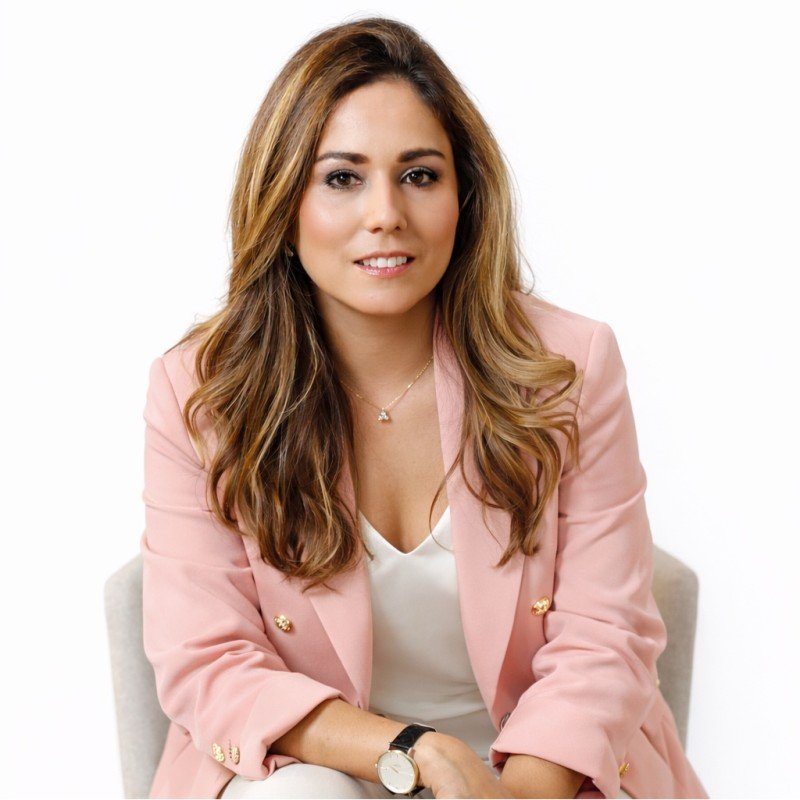
Lina Bernal, Co-Founder, Casa Kids Spanish Immersion Preschool and Chattertikes.
In Raleigh, a new generation of Latina entrepreneurs is reshaping the local economy, one business, one storefront, and one community connection at a time.
From coffee shops and construction companies to childcare services, real estate firms, and wellness brands, Latinas are not only launching businesses at record rates, but they are redefining what leadership and economic impact look like across the city.
“We are entrepreneurs by nature,” shares Leonor Clavijo, Owner and General Manager, Viva Cafe. “Many Latinas seek independence and create their own opportunities.”
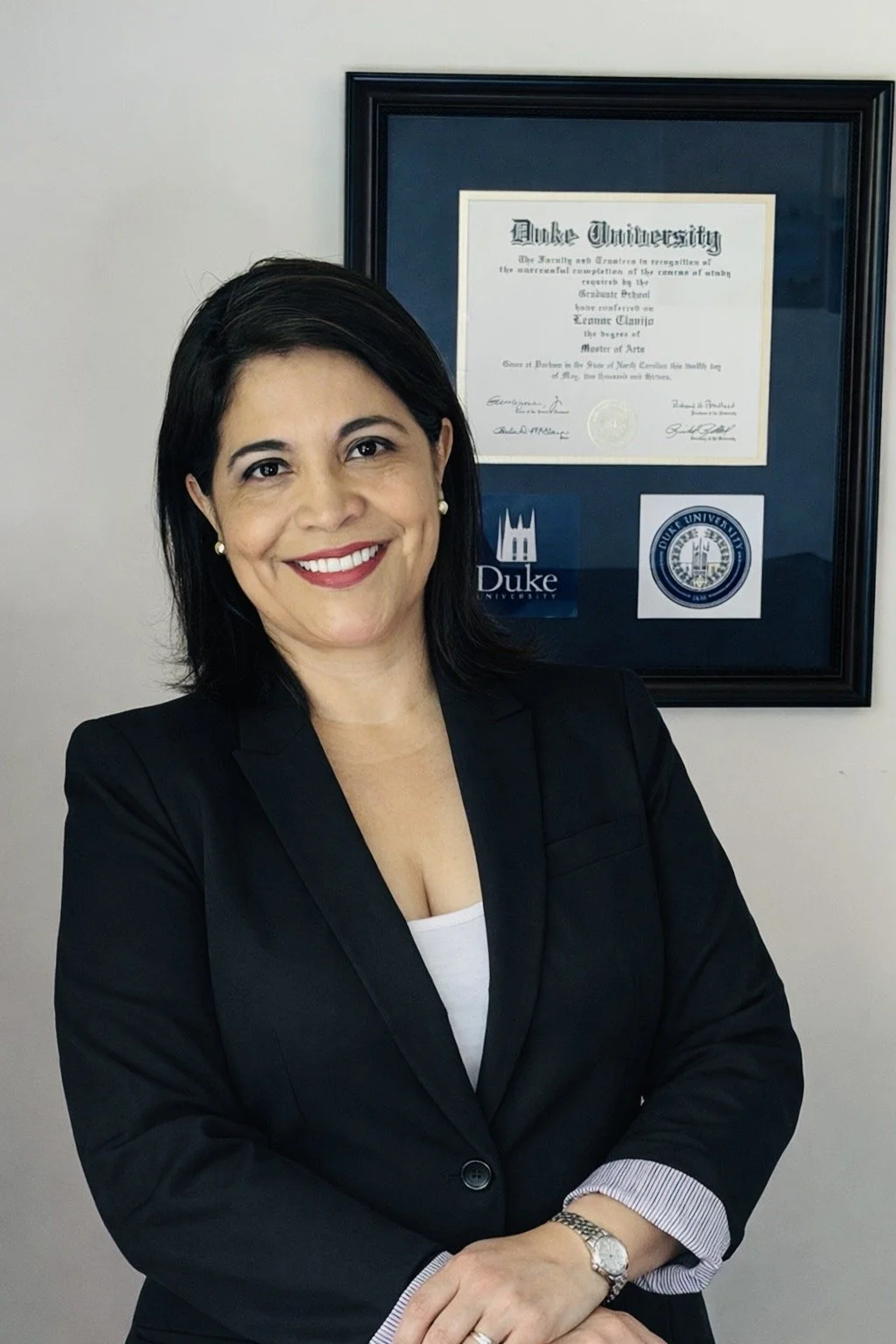
Leonor Clavijo, Owner and General Manager, Viva Cafe.
That entrepreneurial momentum is part of a much larger national trend. Hispanic women-owned businesses generate more than $175 billion in annual revenue nationwide, according to recent data cited by Erica Vazquez, Executive Director, Women’s Business Center of North Carolina. In North Carolina alone, Hispanic-owned firms grew by 64 percent between 2017 and 2022; the fastest increase among any demographic group, with Latina entrepreneurs launching businesses at six times the national rate.
In Raleigh, those numbers are becoming visible in everyday life.
“Latina entrepreneurs are driving growth, creating jobs, and bringing new ideas to Raleigh,” Clavijo says. “They build businesses that serve diverse communities and make the city more inclusive and dynamic.”
But their impact extends beyond economics. Latina-owned businesses are also helping shape Raleigh’s cultural identity through bilingual services, community-centered spaces, food, education, and mentorship.
“Beyond the economic growth, these businesses are enriching Raleigh’s cultural and commercial life with bilingual services, diverse cuisines, cultural events, traditions, and civic leadership,” Vazquez says.
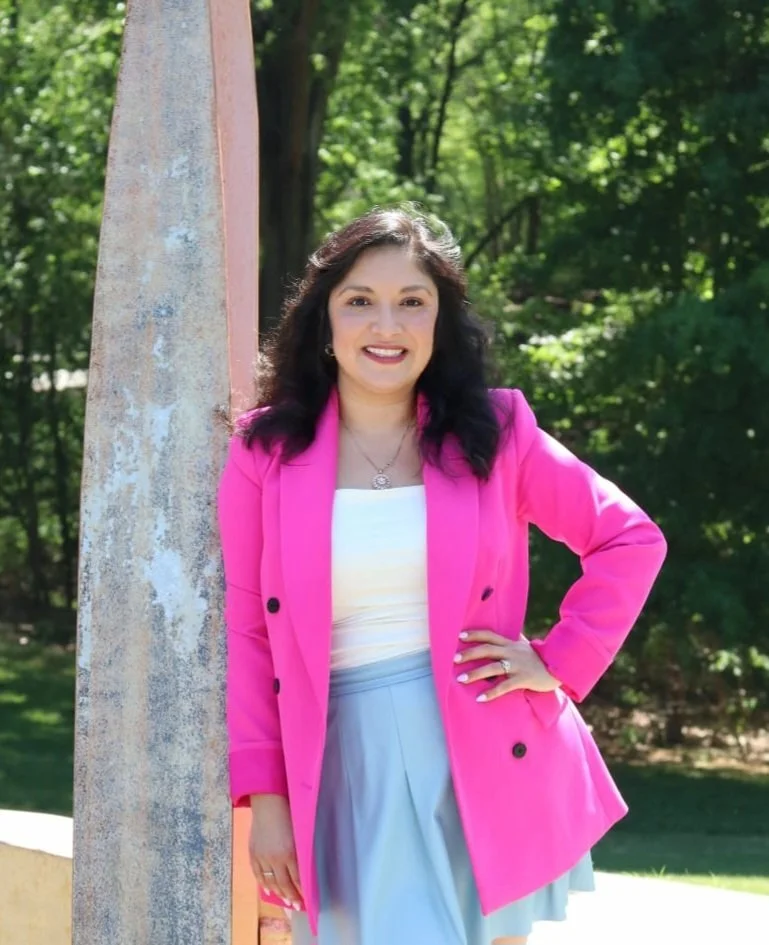
Erica Vazquez, Executive Director, Women’s Business Center of
North Carolina.
That growth has become especially visible in industries traditionally associated with entrepreneurship, food, beauty, and retail, but increasingly, Latinas are entering sectors where representation was once limited.
“We’re seeing strong growth in food, retail, and professional services,
and a notable increase of Latina entrepreneurs entering construction,” Vazquez shares. “It shows younger women that gender isn’t a limit and that they can pursue their dreams.”
As for Bernal, she believes more Latinas are stepping into entrepreneurship
in Raleigh. There is a growing sense of confidence and community among Latina founders, and she sees more women turning their ideas into businesses.
“Many are building in industries such as education and childcare, wellness and beauty, food and hospitality, and service-based businesses, including real estate, finance, cleaning, home organization, and health-related services,” shares Bernal. “What stands out most is not only the growth in these industries but also how purpose-driven these businesses are. Many Latina entrepreneurs are creating spaces that prioritize relationships, culture, and community, which adds meaningful value to the city’s economic and social landscape.”
Clavijo has witnessed that shift firsthand. Over the past several years, she says, more Latina professionals have relocated to Raleigh, many reinventing themselves and building businesses after major life transitions.
“I see strong growth in real estate, where many Latinas are now agents, investors, and lenders,” Clavijo shares. “I also see growth in service-based businesses, food, beauty, handmade products, and local retail.”
For Clavijo, entrepreneurship became a pathway to both cultural expression and community building.
As founder of Viva Coffee, she launched a company rooted in coffee,
culture, and connection. Its café, Benelux Café, has evolved into far more than a coffee shop.
“It is a community hub,” Clavijo says. “Through this work, I create jobs, support local talent, and open space for conversations around entrepreneurship.”
Originally launched with locations in both Colombia and North Carolina, Viva Coffee eventually focused its growth in Raleigh, where Clavijo saw greater opportunity for expansion and long-term impact.
Today, the café blends Latin and European influences into what she describes as a “Latin fusion concept,” where customers can experience handcrafted coffee, fresh food, and cultural connection in a shared community space.
“What started as a coffee business is now growing into a platform for entrepreneurship, community, and cultural connection,” she shares.
The next phase includes launching a mobile coffee unit designed to lower barriers for aspiring entrepreneurs entering the coffee industry.
“This model will allow new entrepreneurs to start with a lower investment and receive guidance and support,” Clavijo explains.
That sense of mentorship and community support is a recurring theme among Latina business leaders across Raleigh.
At the Women’s Business Center of North Carolina, Vazquez works with women entrepreneurs across 39 counties, providing business counseling, bilingual training programs, accelerator opportunities, and networking events.
“One of our greatest sources of pride is the strong sense of community we’ve cultivated among our clients and partners,” she states.
The organization has helped hundreds of women grow businesses ranging from massage therapy studios and childcare programs to tech startups and retail brands. For many entrepreneurs, the support system itself becomes transformational.
“The Women’s Business Center of North Carolina has been the biggest blessing to my business,” shares Daniela Spears, CEO of Remade Wellness L.L.C. “I had the opportunity to connect with other female business owners who became close friends and an unwavering support system.”
Vazquez believes that support networks are essential because entrepreneurship can often feel isolating.
“Entrepreneurship and business ownership do not have to be lonely journeys,” she says. “It’s important to actively seek out your community and trusted resource partners.”
She encourages Latina founders to prioritize financial literacy early, keep business and personal finances separate, and build what she calls a “professional support team”, including a banker, accountant, insurance agent, attorney, and entrepreneurship advisors.
But beyond strategy, both Vazquez and Clavijo emphasize mindset.
“Sin miedo,” Clavijo says. “Do not wait for the perfect moment. Take action even if you feel fear.”
For many Latina entrepreneurs, the journey requires balancing ambition with cultural expectations, family responsibilities, and the pressure to succeed in unfamiliar spaces. Yet both women believe those lived experiences are precisely what make Latina leadership so powerful.
“Our Latina identity should not limit us, but instead shape the way we envision, create, and lead,” Vazquez says. “Our uniqueness is our strength.”
That strength is helping transform Raleigh into a more connected, multicultural, and entrepreneurial city; one where Latina founders are not just participating in economic growth, but actively leading it.
“Latina entrepreneurs are not only building businesses,” Clavijo says. “They are building community and creating opportunities for the next generation.”
“Latina entrepreneurship is not only about building businesses,” shares Bernal. “It’s about building bridges. Through our work, we are creating spaces that reflect who we are, support our communities, and open doors for future generations. That impact extends far beyond what we see today.”