
You’re Carrying a Lot. Don’t Carry Hidden Heart Risk, Too
By Michelle Carrillo, Associate Vice President, Patient Advocacy and Corporate Affairs, Amgen
Punto Final!
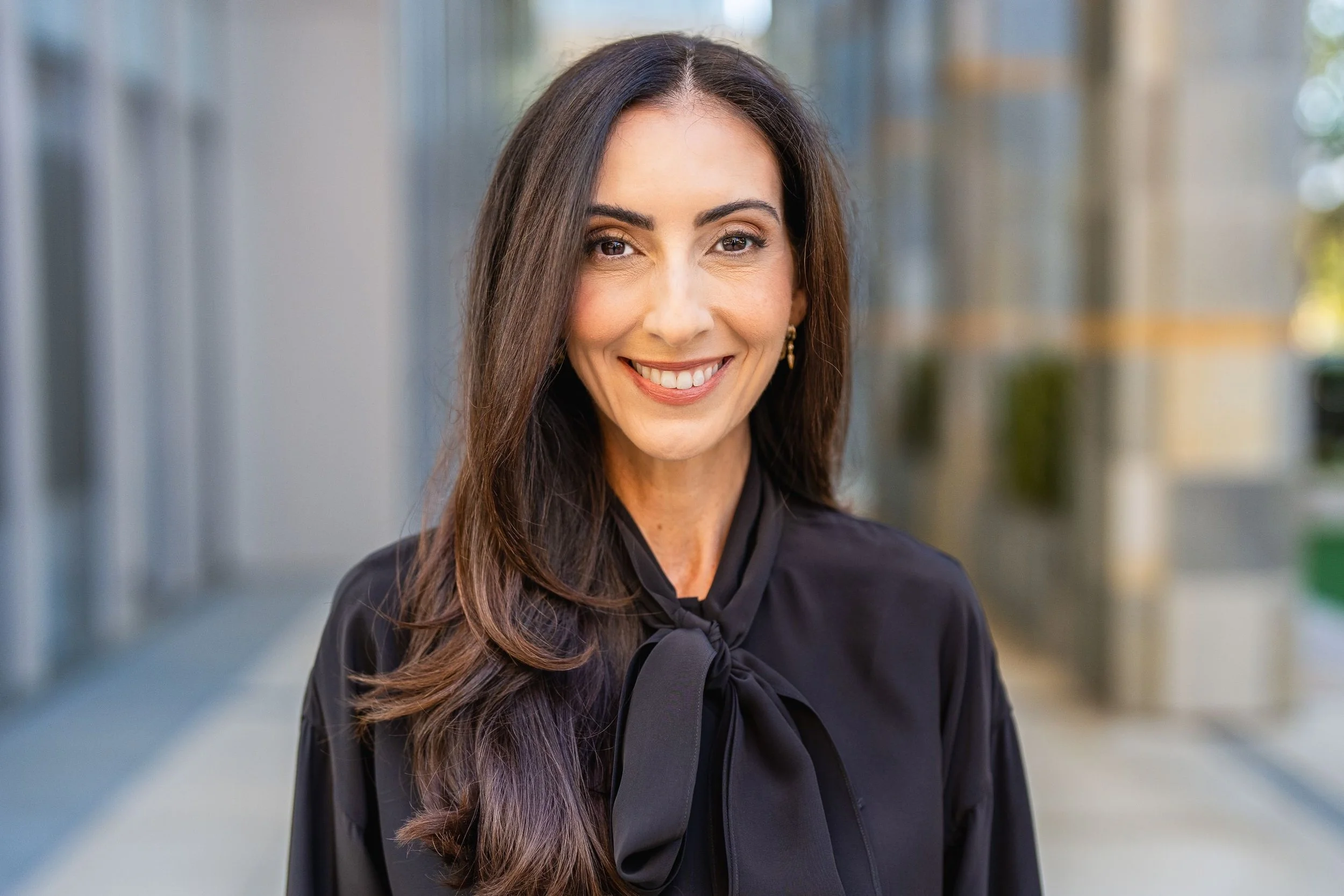
Michelle Carrillo is Associate Vice President, Corporate Affairs, Global & U.S. Advocacy at Amgen. A first-generation Cuban American, she is passionate about advancing representation in healthcare and ensuring patient and caregiver voices are heard. Through her work, she supports advocacy organizations working to address the needs of people living with disease.
The questions I juggle each day may look familiar:
Will I meet my deadline at work? Did I remember the gymnastics leotard and baseball glove? Have I called my parents? Can I spare a few minutes for myself?
Like many Latinas, I know what it feels like to try to “do it all,” balancing a career, children, aging parents and responsibilities to our communities. In the busyness of caring for everyone else, our own health can easily move to the bottom of the list.
We stay active, eat well and do our best to feel healthy. We may even spend time obsessing over those extra fine lines around our eyes. We want to fix what we can see, but we also need to pay attention to what we can’t.
Cardiovascular disease can develop silently, and it greatly affects our communities. It is the leading causes of death among Hispanic and Latino people in the U.S. according to the American Heart Association. Risk factors can vary across our diverse communities, including family history, access to quality care and structural barriers in our healthcare system. Some factors are within our control, while others are not.
High LDL-C, or “bad” cholesterol, is a major, modifiable risk factor for cardiovascular disease. Over time, high LDL-C can lead to a buildup of plaque in the arteries. This can happen when we feel healthy, with no symptoms, and it can increase our risk for heart attack or stroke. Lifestyle changes, including diet and exercise, can help manage high LDL-C, but a clinician may recommend additional steps based on a patient’s overall risk.
Many of us know someone in our community – a friend, a tío, an abuela – who experienced a heart attack or stroke. The good news is that knowing your LDL-C number gives you an opportunity to take action. Getting tested and asking questions about your results can help you and your healthcare provider determine the right next steps.
As a first-generation Cuban American, I watched my parents and grandparents sacrifice everything to give me a better future. I’ve asked them many questions about their time in Cuba. As my parents age, their health is now top of mind and my questions have changed:
Is there a history of heart attack or stroke in our family? What is your LDL-C number? What does that mean for my own heart health?
These conversations can uncover health risks that may run in our families. Knowing your family history, getting your LDL-C screened, and talking to your doctor are some important ways to put your heart health first.
You can start by requesting a free screening kit through The Family Heart Foundation at http://www.conexioncolesterol.org (Spanish-language) or http://www.cholesterolconnect.org (English-language). Cholesterol Connect screening is not available in Puerto Rico or New York due to state regulations. The Family Heart Foundation has additional educational resources available, including English- speaking and Spanish-speaking Care Navigators to answer questions and for you to learn more. Be sure to talk to your doctor. Family Heart’s Cholesterol Connect program is sponsored in part by Amgen.
As women, we juggle so much for our careers, families and communities. Putting our heart health first helps ensure we can be here for the people and moments that matter most. You’re carrying a lot. Don’t carry hidden heart risk, too.