
Veterans Perspective
Operation Boots to Heels
Transitioning to Civilian Life
By Zully G. Goya
When I raised my right hand and swore into the United States Air Force, I never imagined how difficult it would be to take the uniform off years later. I served as a Logistics Technician, supporting B-52 operations during 9/11 and Operation Enduring Freedom. I earned medals and accolades, but none of that prepared me for civilian life.

“Transitioning was the one mission I began without a strategy.”
Like many service members, I assumed that resilience, discipline, and leadership would be enough to ensure a smooth transition. What I discovered instead was a world I didn’t fully understand.
Civilian job applications didn’t recognize the weight of my military experience. Interviews left me struggling to “translate” what leading logistics operations in wartime meant to a hiring manager. Even the simple things felt foreign—I didn’t know how to dress corporate. Combat boots and uniforms had been my life. Now, I was second-guessing what to wear to interviews, realizing that professionalism outside the uniform was a mission of its own.
At the same time, I was raising two daughters. Balancing motherhood and service had already tested me in ways that medals could never capture. But in the midst of all this, I was also going through a divorce and a very challenging custody battle. The weight of rebuilding a civilian career was heavy enough, but it was paired with the emotional and financial strain of fighting for stability at home.
“Transitioning wasn’t just about finding a job—it was about keeping my family together and proving I could start over.”
Each rejection letter became fuel to keep moving forward. Each misstep taught me something new about how to navigate a system that didn’t come with instructions. I began my college journey while still in the military, balancing coursework with deployments and parenting. Later, while serving at the Office of the Comptroller of the Currency (OCC), I pursued two master’s degrees at Park University—one in Public Administration and another in Business Administration with a concentration in Human Resources—along with a Graduate Certificate in Project Management. The classroom became a place where I learned to bridge the gap between my past military experience and a thriving civilian career.

Slowly, doors began to open. At the OCC, I built a career that spanned roles as Executive Staff Assistant to the Chief of Staff, Administrative Officer, and Program Specialist. Being selected for the Leadership Exploration and Development (LEAD) Program affirmed that the lessons I carried from the Air Force—mission focus, adaptability, and resilience—were not only relevant but invaluable in public service.
“Civilian life demanded improvisation—something no checklist could prepare me for.”
Looking back, I realize my transition was less about having a perfect plan and more about learning to adapt without one. The Air Force trained me to execute missions with precision, but civilian life required flexibility. I stumbled, recalibrated, and kept moving. That process became its own kind of strategy—one grounded in persistence and the belief that progress is made step by step.
Today, I share my journey because I know there are others stepping out of uniform without a map. To them I say: you are more prepared than you realize. Your service has already forged resilience, leadership, and determination. Transitioning without a strategy doesn’t mean you’ll fail—it means you’ll learn to build your own.
Lesson Learned: The most powerful mission is the one you create for yourself.
5 Lessons for a Smoother Transition
1. Translate Your Skills
Don’t assume employers understand military language.
Learn to frame your leadership, logistics, and mission experience in civilian terms.
2. Learn the Culture
Transition isn’t just about a job—it’s about fitting into a new environment. From corporate dress to workplace norms, ask questions, observe, and adapt.
3. Build Your Network
What you lack in connections, you can create.
Seek veteran support groups, alumni associations, employee network groups, and professional mentors to open doors and gain guidance.
4. Invest in Education
Training and degrees can bridge gaps and boost confidence. Education provides both credentials and a way to translate your military strengths into civilian value.
5. Prioritize Resilience
Life doesn’t pause for transition—custody battles, financial strain, or personal setbacks may come alongside career changes.
Lean on the same grit that carried you through service.
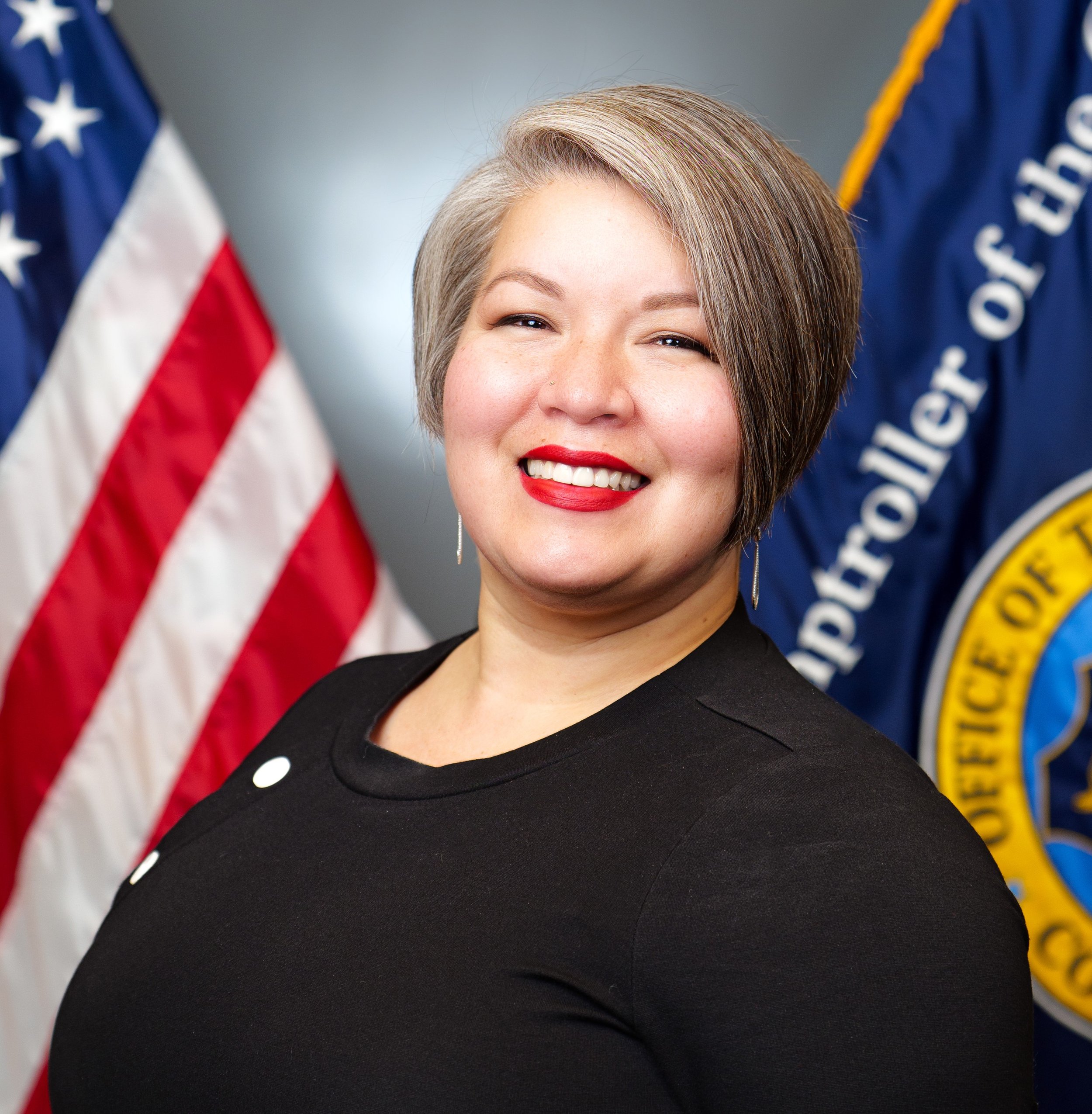
Zully G. Goya is an Ecuadorian American, U.S. Air Force veteran, federal public servant
with 22 years of service, and mother of two. She shares her journey of resilience,
leadership, and career reinvention.