
¡Las Jefas!
She is the Economy
Closing the Leadership Gap in Banking and Finance Industries
By Marisa Rivera
Women today make up the majority of the global banking and finance workforce, yet their presence in leadership remains disproportionately small. This contrast, abundant talent but limited advancement, reveals one of the industry’s most persistent structural challenges. The data tells a clear story: women are essential to the sector’s success, but the systems around them have not evolved at the same pace.
Women are the backbone of the banking and finance workforce, but are not represented in leadership.
Across global financial institutions, women represent about 60 percent of all employees, according to the 2025 reporting from Revue Banque on workforce trends. Women dominate many of the operational and support functions that keep banks running, human resources, legal, compliance, customer service, and administrative operations. These roles are critical to institutional stability and regulatory integrity, and women have long been the driving force behind them.
Yet despite this strong presence, women remain significantly underrepresented in positions where strategic decisions are made. Only 15 to 20 percent of leadership roles, and often fewer at the senior or executive level, are held by women. This gap is not due to lack of skill or ambition; it reflects structural barriers such as:
- Unconscious bias in promotion and evaluation
- Limited access to high‑visibility assignments that lead to advancement.
- Slower promotion pipelines compared to male peers.
- Cultural norms that still associate leadership with traditional masculine traits
- The result is a leadership pipeline that does not reflect the talent already within the industry.
When we look at the Latina experience, there is a deeper inequity. For Latinas, the gap is even wider. According to the Economic Policy Institute, only 10 percent of Latinas are represented in management, business, and finance roles, compared with 18 percent of white women. This disparity is rooted in intersecting forms of discrimination based on race, ethnicity, gender, and migration status.
These overlapping biases have historically funneled Latinas into lower‑paying roles and limited their access to fair wages, leadership tracks, and professional development opportunities. Even when Latinas enter the finance pipeline, they often face:
- Pay inequities that widen over time
- Under-recognition of their contributions
- Fewer mentorship and sponsorship opportunities
- Cultural stereotypes that undermine perceptions of leadership potential
- This is not just a representation issue. It is a missed economic opportunity for the entire industry.
A Strong Talent Base, a Weak Leadership Pipeline
When women make up the majority of the workforce but a minority of leadership, the message is unmistakable; the industry has the talent, but not the systems to elevate it. The banking and finance sector is sitting on an untapped leadership reservoir of women, including Latinas, who already understand the business, the clients, and the operational realities.
Strengthening the leadership pipeline requires intentional investment in the following:
- Diversity, equity, and inclusion strategies
- Transparent promotion pathways for women
- Leadership development programs for women
- Sponsorship: not just mentorship programs for women
- Bias‑free evaluation processes
These are not “nice to have” initiatives; they are business imperatives. The case for advancing women in finance is not only moral, but it is also economic. Women control $31.8 trillion in global spending, they start businesses at twice the rate of men, and they reinvest 90 percent of their income back into their families and communities.
These numbers reflect a simple truth: women are not just participating in the economy. They are the economy.
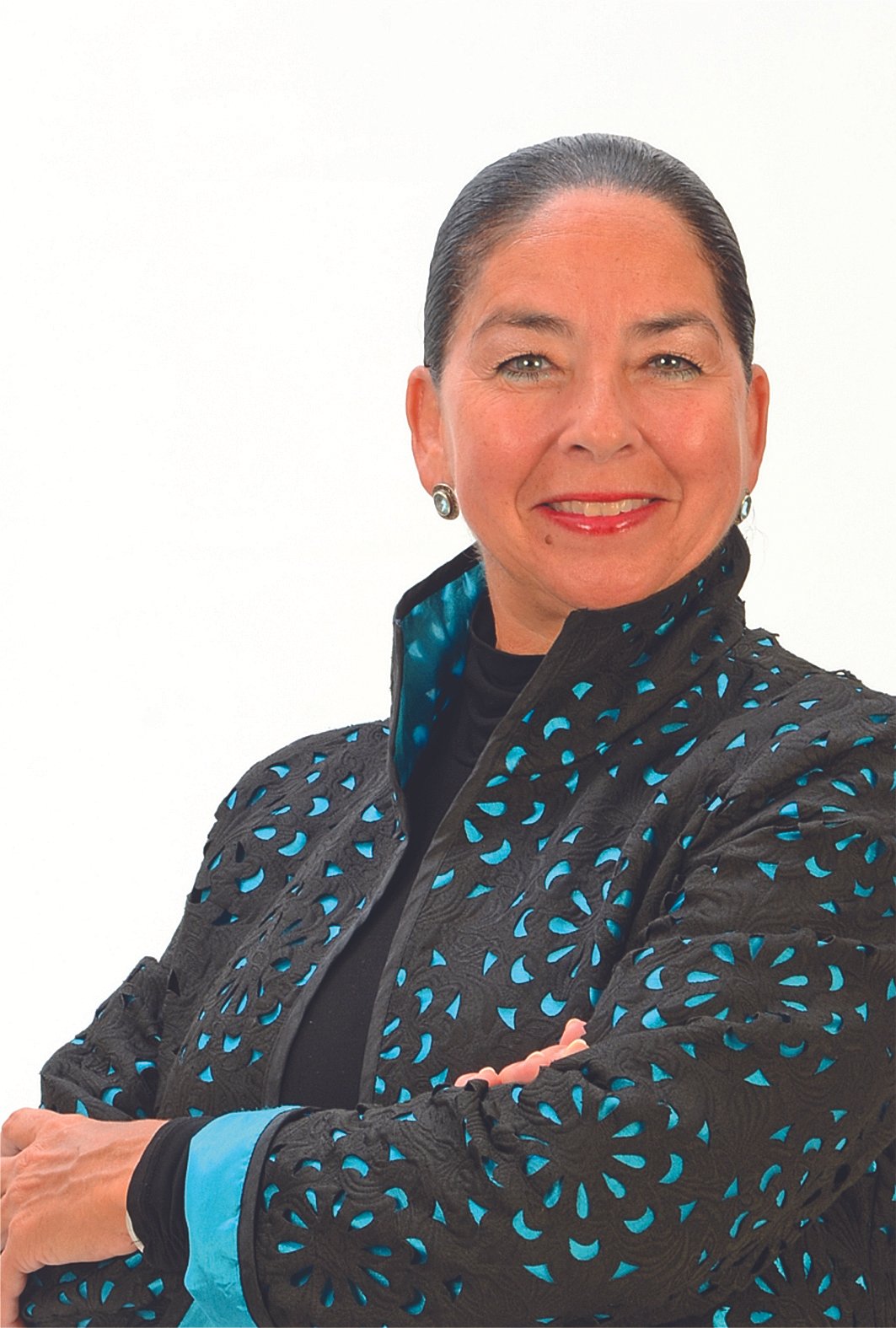
Marisa Rivera is president of Mpowerment Works, a motivational speaker, executive coach and leadership and empowerment consultant. Marisa@ MpowermentWorks.com.