
Josephine Martinez, Purpose, Power, and the NFL
By Gloria Romano-Barrera
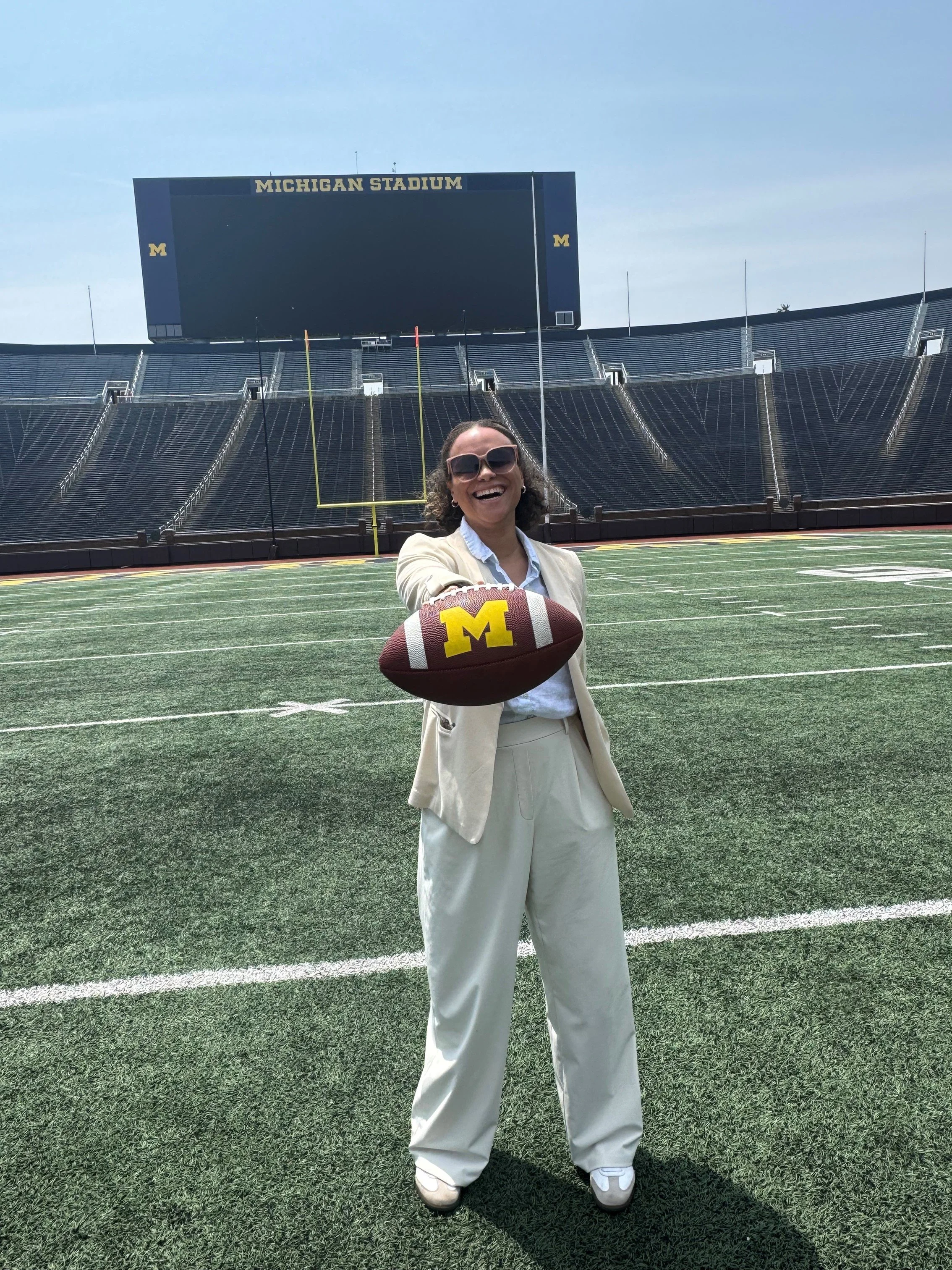
Josephine Martinez at the University of Michigan. Photo courtesy of Josephine Martinez.
When Josephine Martinez walks into the NFL’s headquarters in Midtown Manhattan, she carries more than a title. As Senior Director of League Leadership and Inclusion at the National Football League (NFL), she carries a legacy of culture, community, resilience, and sacrifice. Martinez’s story is rooted in Uptown Manhattan—shaped by Dominican pride, immigrant parents, a working-class upbringing, and a vibrant community that helped define both her identity and her purpose.
Growing up, she was surrounded by diversity, ambition, and possibility—far removed from the boardrooms of corporate America where her journey would eventually lead.
“I grew up always being a very big sports fan,” she shares. “I played a few sports as a kid—not anything competitive—but I was a really big fan and knew I wanted to work in sports.”
As early as high school, Martinez found ways to stay close to the games she loved. She participated in sports journalism programs, including NYU’s Urban Journalism Workshop and Columbia University’s Talent Search for first-generation college students, which gave her the opportunity to conduct interviews and go on air with college radio station WKCR. There, she was introduced to the fast-paced environment she would one day navigate professionally.
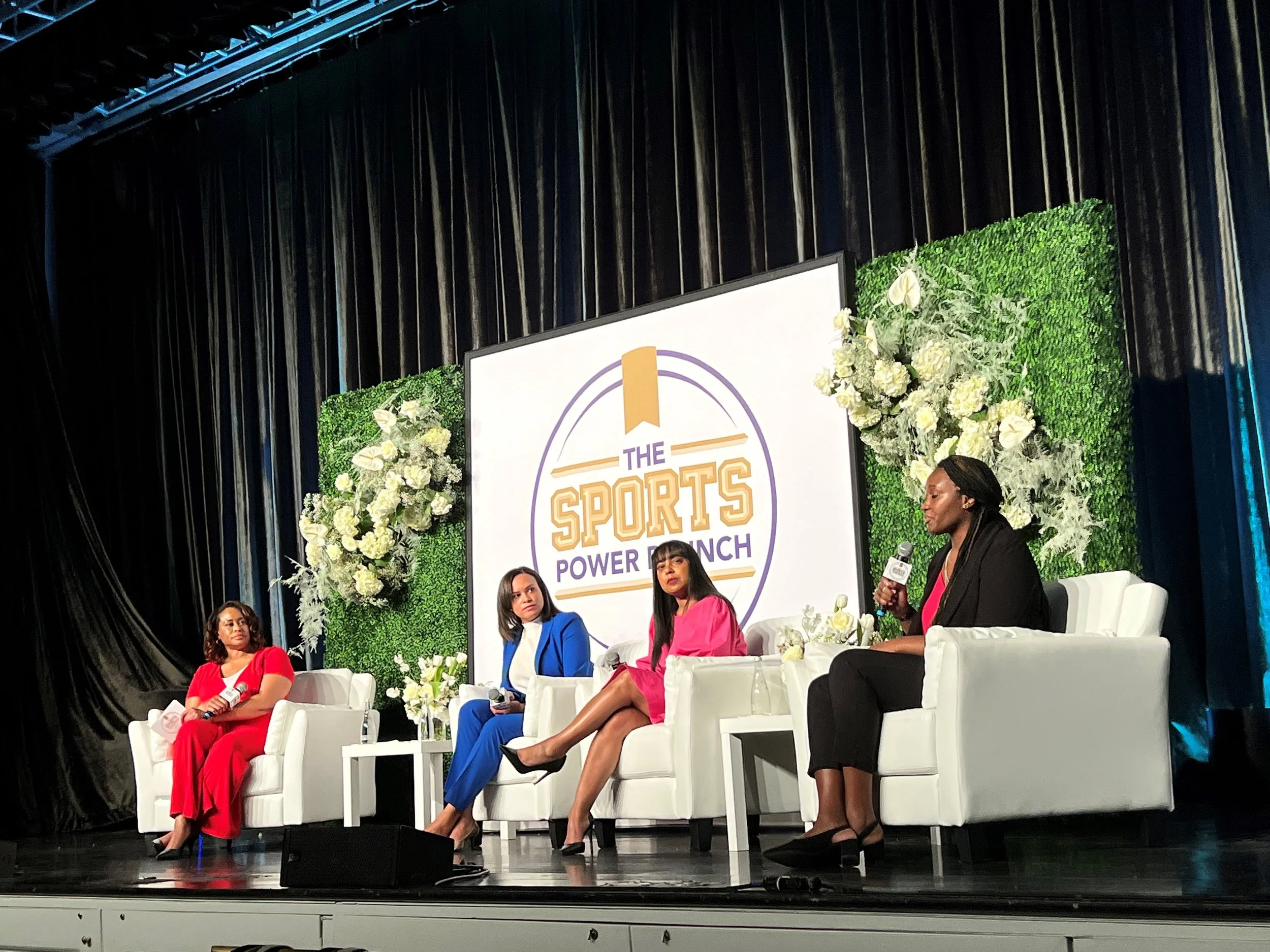
Josephine at the Sports Power Brunch, Super Bowl LVI.
By the time she reached college, her vision had sharpened. At Le Moyne College in Syracuse, New York, she shifted her focus from reporting on sports to shaping them behind the scenes. Internships with Major League Baseball and the New York Mets brought her closer to the business of sports—and to her dream.
“I was fortunate enough to land my dream job through the NFL rotational program following college,” she says. “I did the two-year analyst program, which gave me insight into many departments across the NFL and helped launch my career.”
Martinez has now been connected to the league for 15 seasons. Today, she leads the implementation of the NFL’s inclusion strategy across its U.S. and international offices. Prior to her current role, she served on the NFL’s Talent Acquisition team, supporting emerging talent programs and helping establish formal diversity recruitment partnerships.
Her career has also been shaped by experiences in corporate America, giving her a valuable dual perspective. After leaving the NFL earlier in her career, she served as Vice President of Global Functions Human Resources at Citigroup, where she led a portfolio of human capital initiatives, including change management, talent strategy, and diversity and inclusion efforts. She also held talent management roles at Saks Fifth Avenue/Hudson’s Bay Company.
When she returned to the NFL as a “boomerang” employee, she brought with her broader insight, strengthened leadership skills, and a deeper understanding of organizational impact. “I left for five years and came back, which was great,” she shares. “I learned more about how corporate America works outside of sports—especially at publicly traded companies—and brought those tools and perspectives back to the NFL.”
Today, she plays a key role in shaping the league’s future, helping ensure it reflects the diversity of the communities it serves.
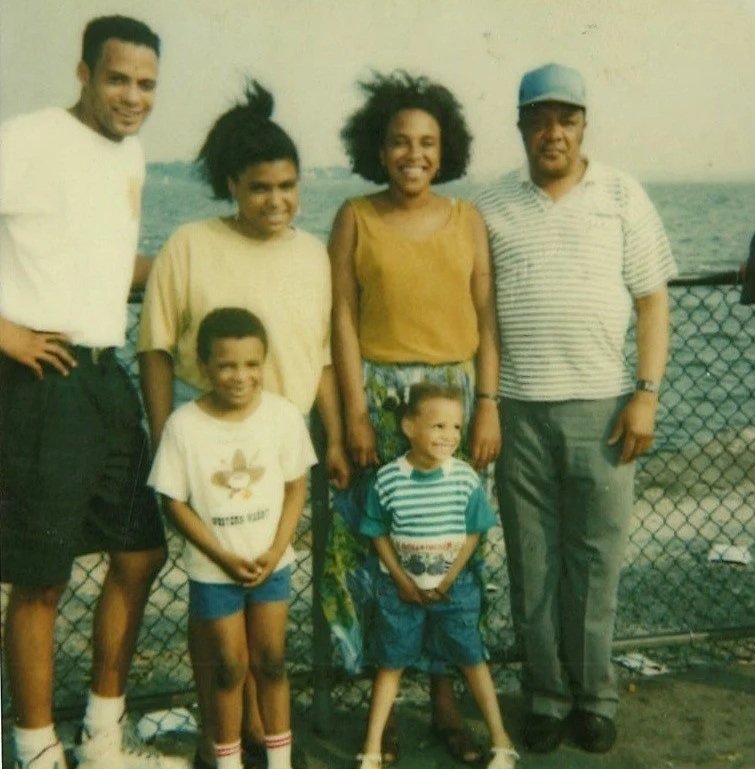
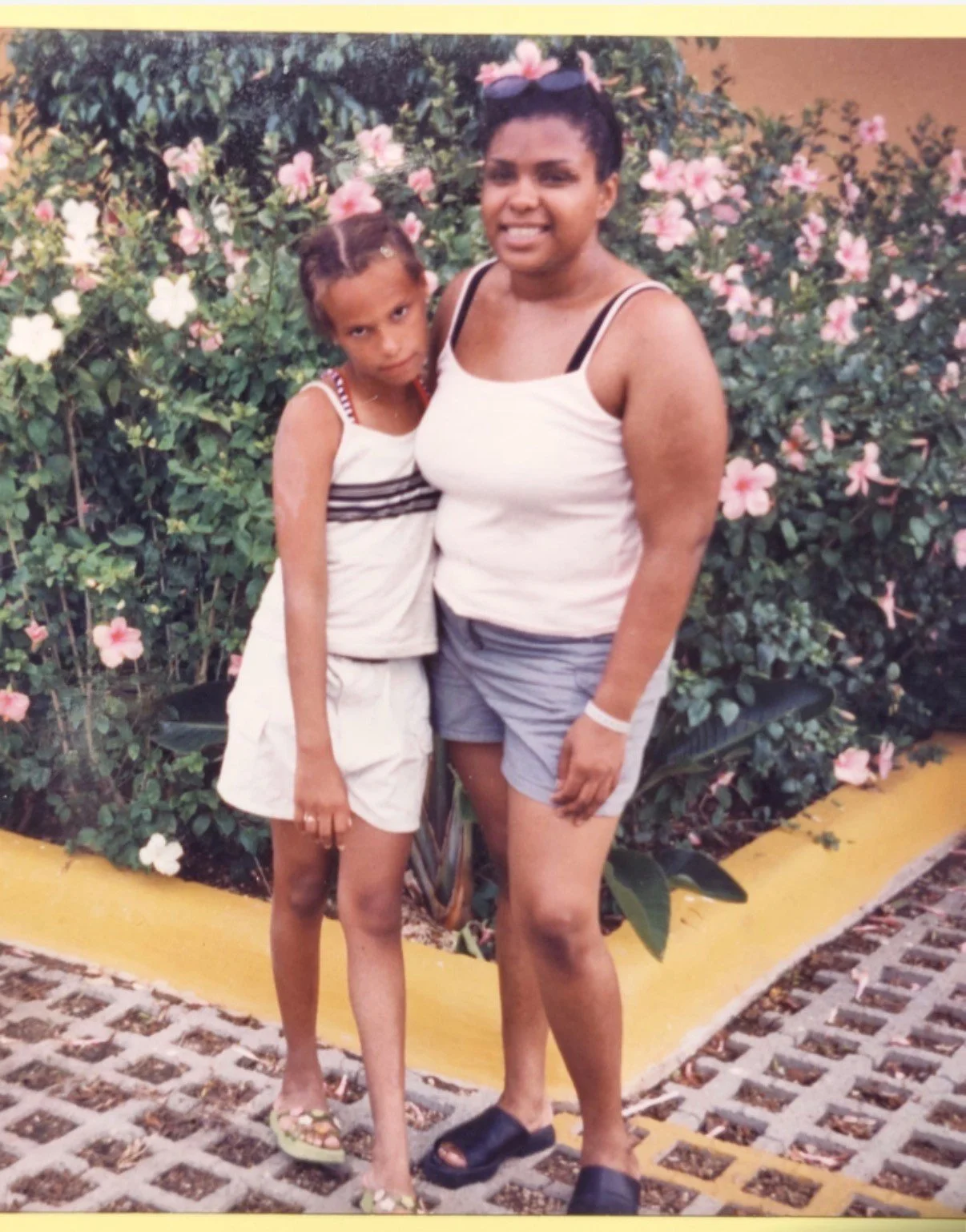
At the heart of her story is her Latinidad. The daughter of Dominican immigrants, Juan and Nicolasa Martinez, she grew up watching her parents work tirelessly to create opportunities for their five children. Their sacrifices instilled in her a deep sense of discipline, gratitude, and ambition. “They always told me, ‘You can do anything that you want to do,’” she says. Reflecting on her father, who recently passed away, and her mother, she adds: “They modeled sacrifice every day. Whether it was sacrificing leaving their families to come to the U.S. or time with us, because they were always working, I carry that with me. Their work ethic, their stories, their longing for home.”
Her older sister, Grace, also had a profound influence on her path. Acting as a surrogate caregiver while commuting to Fordham University, Grace emphasized the importance of gaining experience early. “She used to tell me—even when I was eight-years-old, ‘remember to intern,’” Martinez recalls. Grace passed away between Martinez’s freshman and sophomore year of college. “In many ways, my early career trajectory is a testament to her legacy.”

Her upbringing also gave her a front-row seat to how subcultures shape mainstream American culture, an insight that continues to inform her work today. She sees this dynamic reflected in moments like the Benito Bowl, where Latino culture, music, and identity were centered.
“When I was in high school, my friends and I always joked that if you wanted to listen to reggaeton, you were relegated to one corner of the dance,” she recalls. “To see that culture now at the forefront is one of the most emotional things I’ve experienced.”
Despite all she has accomplished, she knows the work is far from complete. When asked about her greatest accomplishment, she doesn’t point to a title or milestone, she points to people.
“I’m an uptown girl,” she says. “I grew up in a community that felt like the United Nations. In New York, you’re constantly exposed to different cultures.”
That experience, combined with being raised by a tight-knit community beyond her immediate family, shaped how she leads today.
“I’m the product of a very small village,” she says. “From neighbors who babysat without question to the broader community that poured into me, that sense of care stays with me.”
That commitment to community is reflected in her passion for mentorship. For Martinez, developing others isn’t secondary, it’s central to her purpose.
“My biggest accomplishment is mentoring the next generation,” she says. “It’s been incredible to see more women entering sports.”
Recognizing that she, too, benefited from opportunity pipelines, she is intentional about paying it forward, especially for women and people of color.
“The young professionals coming up behind me are making inroads in half the time it took me,” she notes. “Being able to pour into them and support that growth has been incredibly rewarding.”
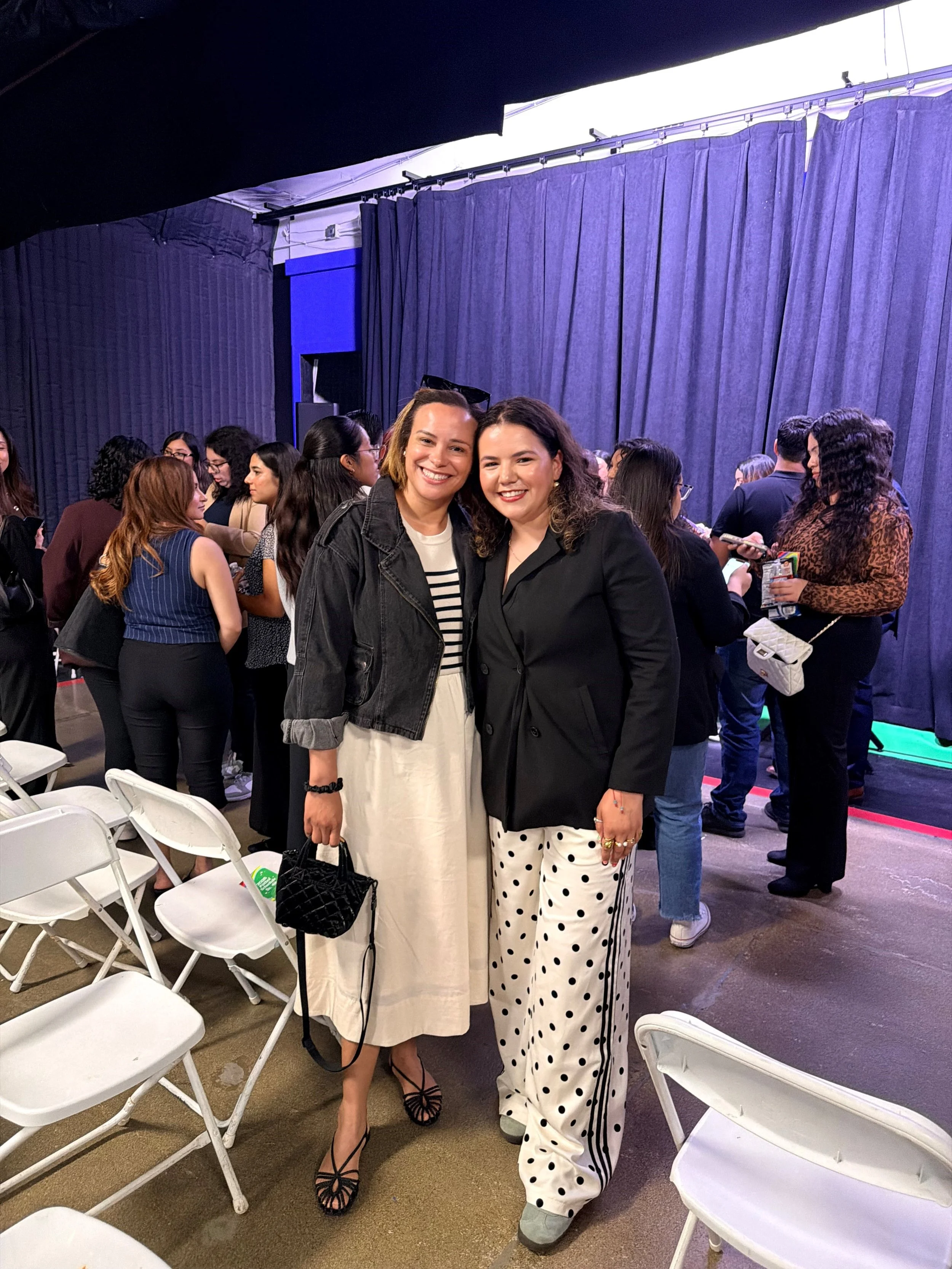
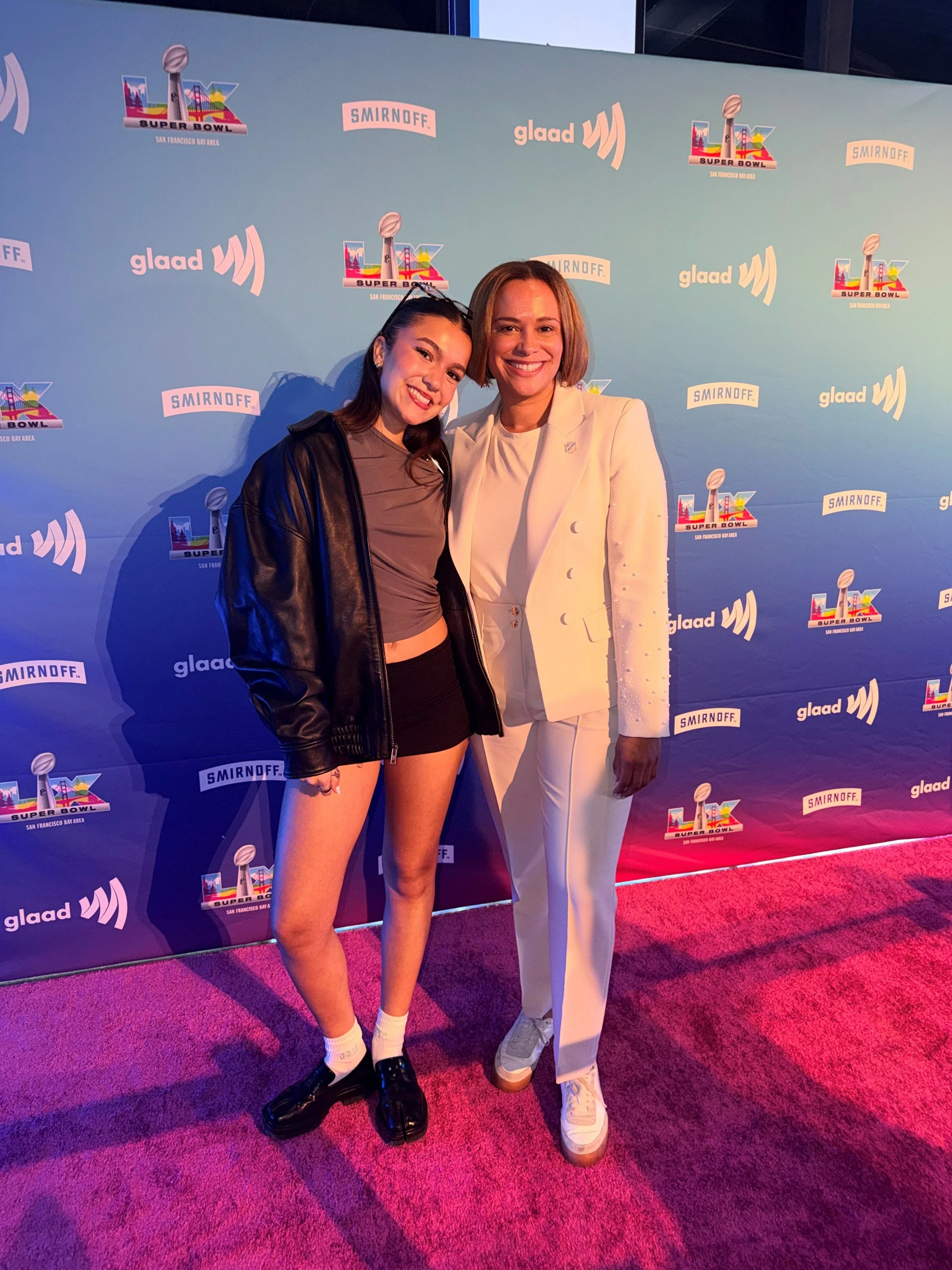
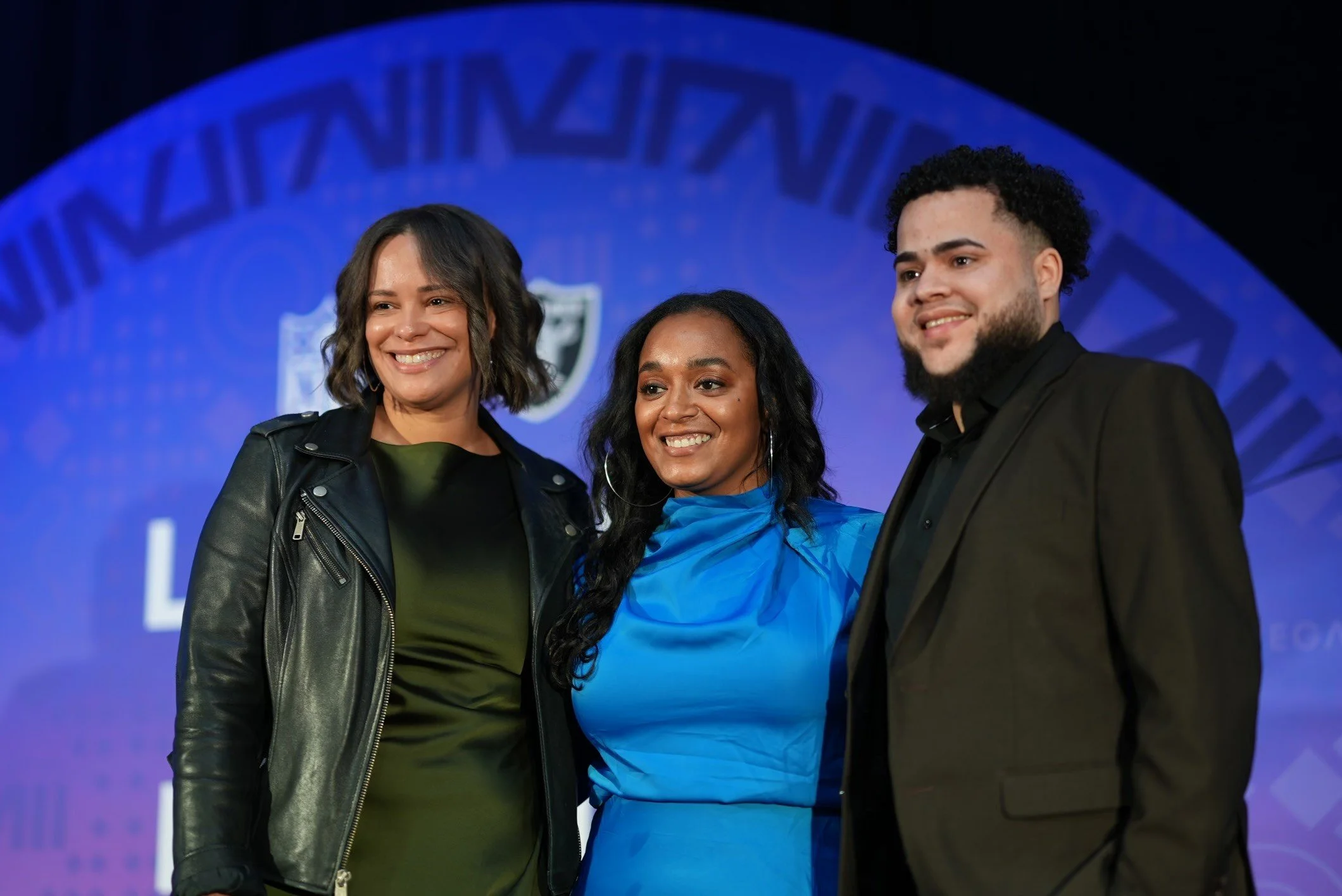
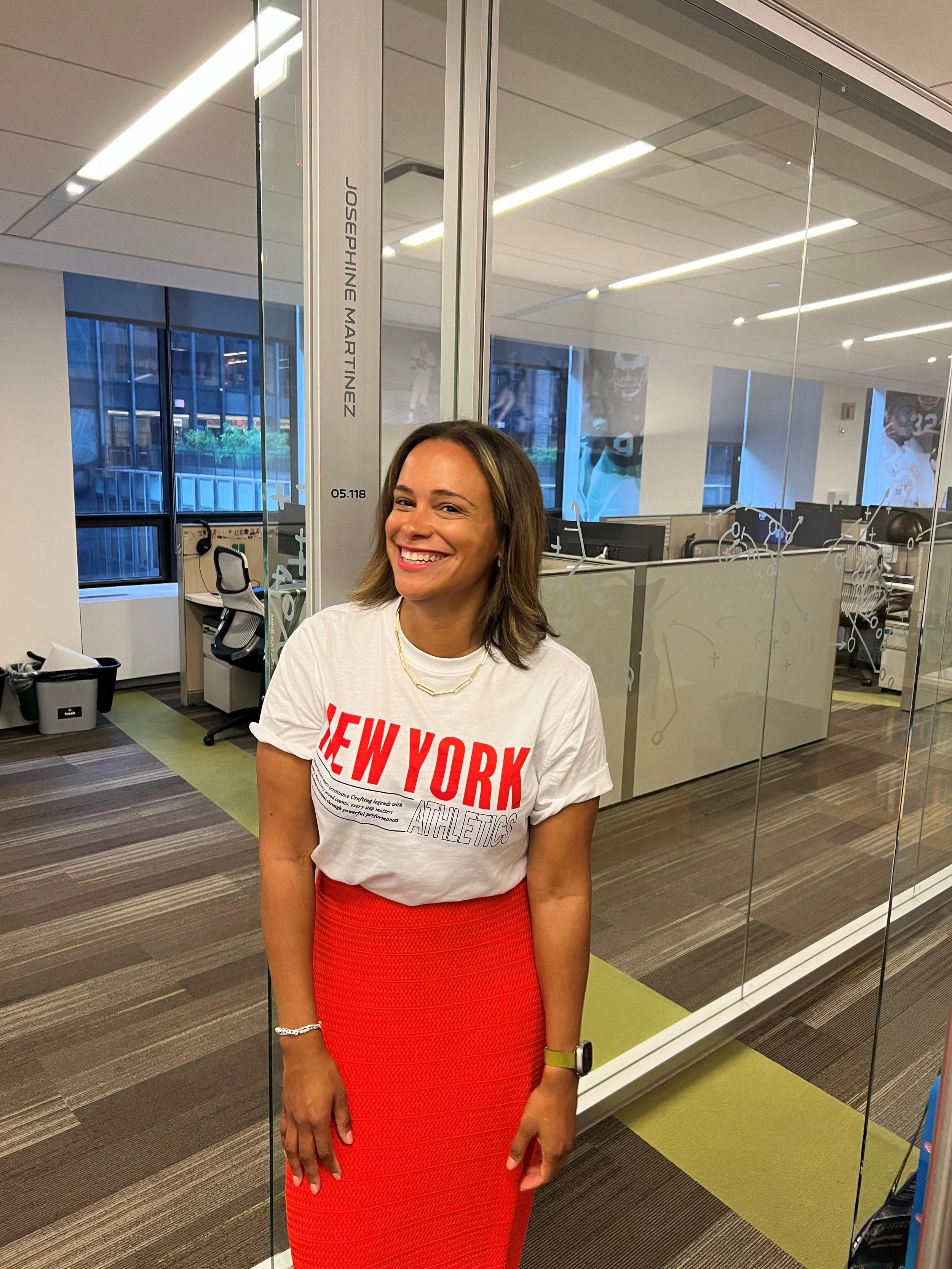
For Martinez, success is not just about personal achievement; it’s about creating access and opening doors for others. “The work doesn’t stop,” she says. “Sometimes it feels like I’m just getting started.” Though she didn’t compete in sports growing up, she later found a new outlet through Olympic weightlifting in New York’s amateur circuit. The experience strengthened her discipline, resilience, and receptiveness to feedback, qualities she now sees as essential to leadership.
“The traits that make great athletes- being coachable, competitive, team-oriented- those traits translate directly into the workplace,” she explains. “They’re foundational to strong leadership.”
She often draws parallels to football itself: “Are you coachable? Are you supporting your team? Are you committed to finishing the job?” she says. “In football, we say there are four quarters—you have to play all 60 minutes.”
When discussing mental health, Martinez emphasizes awareness, education, and the responsibility of leadership. “At the NFL, we have incredible clinicians and a strong wellness team,” she says. “I recently completed a Mental Health First Aid training because you never know when someone might come to you in a crisis. You want to be prepared to guide them to the right support.”
Looking ahead, she is optimistic about the future of sports.
“The future of sports is bright,” she says, pointing to the rapid growth of flag football, particularly for girls. “It’s creating more access and more entry points into the game.”
She also highlights the increasing visibility of Latina athletes and leaders as a powerful sign of progress. “We’re seeing representation grow, in athletes like Hezly Rivera and Diana Flores,” she says. “The future is incredibly bright.”
For Martinez, the through line is opportunity, ensuring that more people feel they belong in spaces that may not have always felt open to them. She believes sports are more than competition; they are platforms for growth, leadership, and transformation.
At the core of her work, she believes that football is for everyone.
Through initiatives like NFL Explained and NFL Explained in 90 Seconds, available in Spanish, as well as her commitment to mentorship and access, Martinez continues to expand that vision.
A graduate of Le Moyne College’s Integral Honors Program, she holds a master’s degree from Cornell University’s School of Industrial and Labor Relations and a certificate in talent leadership from Stanford University.
For the young Latina who doesn’t yet see herself in the sports world, her story is both proof and promise that Latinas belong on the field, in the front office, and at the table where decisions are made.
“A lot of people have made a lot of sacrifices to get me to this seat,” she shares. “The work doesn’t stop; the work continues, and it’s all about opening those doors for others as well.”