
HIS VIEW
The Evolution of Latina Representation on Corporate Boards
By Ozzie Gromada Meza, President & CEO, the Latino Corporate Directors Association (LCDA) and its foundation, Latino Corporate Directors Education Foundation (LCDEF)
The boardroom remains one of the most powerful levers in the economy. Boards influence where capital flows, how risk is assessed, who is held accountable, and which long-term bets are funded. The people around the table shape what a company notices early, what it overlooks, and how quickly it responds when conditions change.
Working alongside LCDA’s network, we’ve seen the conversation around women’s impact in governance shift from aspiration to necessity. The business case is clear, yet the data shows progress remains too slow. At a moment defined by disruption, volatility, and complexity, corporate governance can no longer afford to operate at yesterday’s pace.
Progress is real — and still insufficient.
Across the Fortune 1000, the average number of women per board has increased, but only in small, stubborn steps. From roughly one woman per board in 2019–2020, the number rose to 1.7 by 2025 — and then stalled in 2026. The direction is right. The speed is not.
While topline figures track women broadly, Latina representation continues to lag far behind our footprint in entrepreneurship, consumer influence, and the executive leadership pipeline. When a board’s lived business experience doesn’t reflect where growth, risk, and demand are coming from, oversight weakens and opportunity recognition slows. This is not a values argument. It’s a performance issue.
What’s different now: access and readiness at scale
One long-standing excuse has expired: “We can’t find qualified candidates.”
What we have today that we did not have even a decade ago, is an organized, board-ready community of executives who are visible, prepared, and accountable for outcomes. That is precisely why LCDA exists.
LCDA is a premier business network focused on elevating Latino impact through executive leadership development and boardroom excellence. In practice, that means identifying board-caliber leaders, preparing them for board-level scrutiny, connecting them directly to decision-makers, and supporting them once they are seated.
When we engage with CEOs and nominating and governance chairs, we don’t bring a lecture. We bring access to a deep, under-tapped network of board-ready executives. The LCDA community transforms “we can’t find them” into “we just met them.” It turns mentorship into sponsorship, with leaders willing to leverage their reputations to uplift board-ready and board-proven talent. It replaces one-off searches with a durable ecosystem. That flywheel did not exist a decade ago. It does now and it’s accelerating.
Women on boards today: built for complexity, not symbolism
The women entering boardrooms today are not there to make a point. They are there to make decisions.
The Latina leaders I see stepping into governance roles bring exactly what modern boards require: P&L ownership, fluency in technology and cybersecurity, supply-chain leadership, and experience navigating regulation and stakeholders often developed in environments where the margin for error was thin.
And still, the list of Latinas who have served as public-company CEOs at Fortune 1000 companies remains strikingly short, only including leaders like Geisha Williams at PG&E, Cheryl Miller at AutoNation, and most recently Priscilla Almodovar at Fannie Mae. The goal is not to celebrate exceptions. It’s to stop treating them as exceptions.
A clear ask for the community
If we want better governance, we need to act like it.
Invest in board readiness by supporting organizations like LCDA that prepare executives for board service and ongoing governance demands.
Name names. Put forward qualified women, especially Latina executives, for specific seats, not vague future consideration.
Widen proximity. Expand beyond the same recycled networks, so boards are built intentionally, not by convenience.
Talent is not the constraint. Will is. Process is. Proximity is.
LCDA can help solve for process and proximity. Leadership must supply the will.
The numbers are moving. Now it’s time to make them decisive. Open yournetworks. Sponsor by name. Engage with LCDA at latinocorporatedirectors.org.
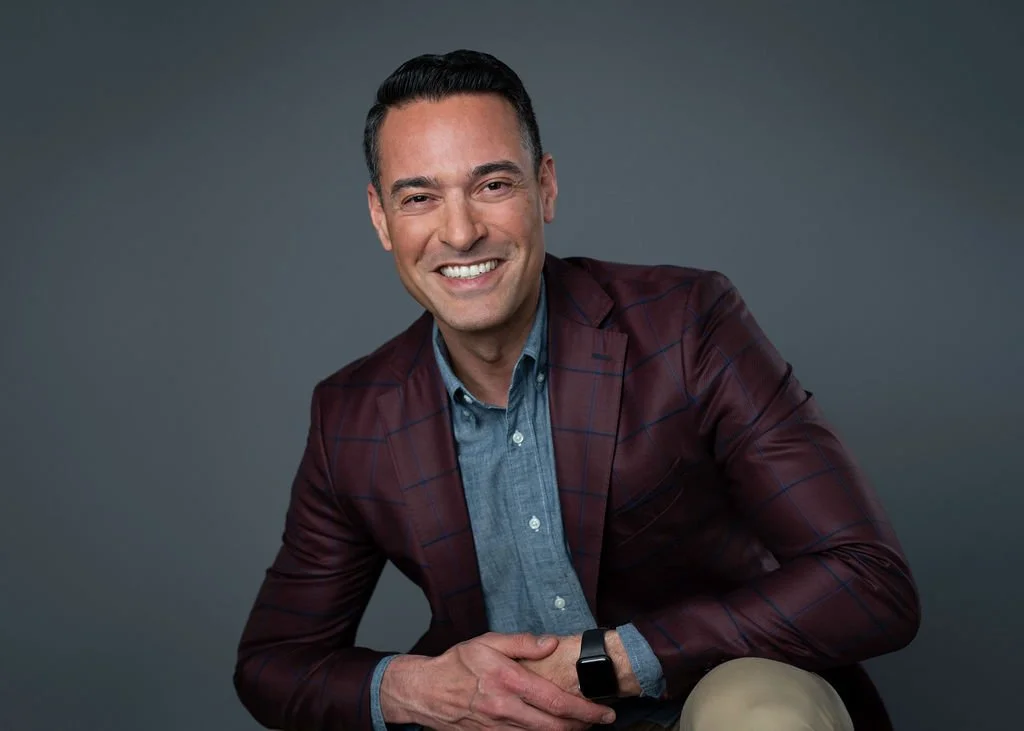
Ozzie Gromada Meza serves as the President and CEO of the Latino Corporate Directors Association (LCDA) and its foundation, Latino Corporate Directors Education Foundation (LCDEF). In this capacity, he leads a distinguished membership organization comprising accomplished executives at the governance. His mission is to propel inclusivity within the C-Suite and boardroom, with a firm commitment to amplifying the Hispanic/Latino impact across corporate America.
Prior to assuming his present role, he held the position of Vice President of Member and Talent Services at LCDA. During this tenure, he collaborated closely with boards of directors, C-Suite executives, search firms, and influential board advocates. His influence extended to shaping the board talent pipeline for numerous prominent organizations.